
Spinal Decompression Therapy Centennial CO: Gentle Relief for Disc and Nerve Pain
Spinal decompression therapy in Centennial CO helps people dealing with disc pain, sciatica, and pinched nerves find relief without surgery. Our chiropractic team uses non-surgical decompression to reduce pressure on spinal discs and nerves, and if that sounds like what you’ve been looking for, keep reading, we’ll walk you through how it works, who it fits, and what your first visit actually looks like.
How Spinal Decompression Therapy Works for Disc and Nerve Pain
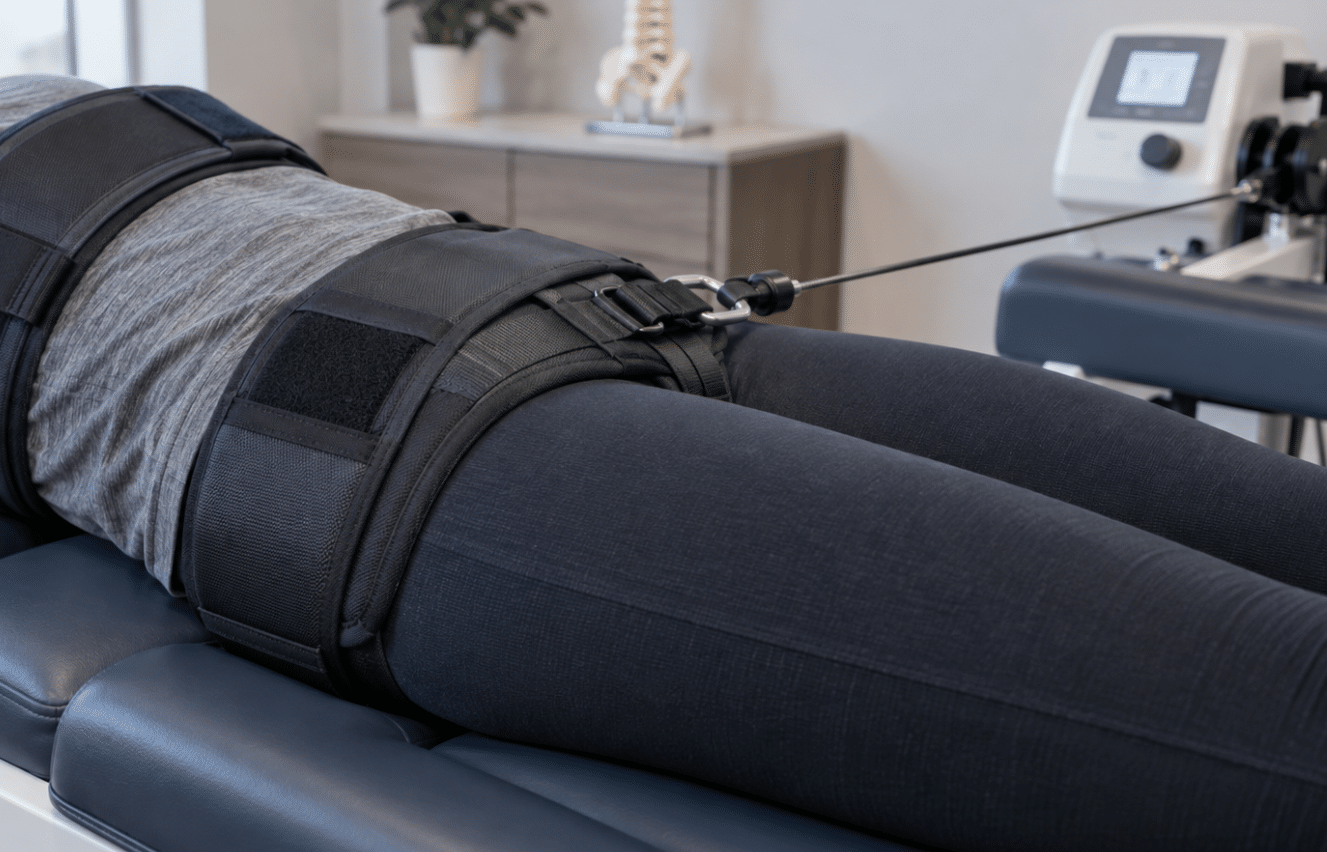
Spinal decompression therapy uses a motorized table to gently stretch the spine in slow, controlled cycles. That gentle pull creates negative pressure inside the disc, which draws displaced disc material back toward center and pulls in fluid and nutrients to support healing. You lie on the table during each session, and your chiropractor sets the tension and duration based on your individual presentation.
Many people in the Centennial area work desk jobs. Long hours at a workstation load the lumbar and cervical spine in ways that gradually reduce disc height and irritate nearby nerves, so disc compression is one of the more common complaints we see.
Who Is a Good Candidate for Spinal Decompression in Centennial
Spinal decompression therapy works well for adults with herniated or bulging discs, degenerative disc disease, sciatica, or a pinched nerve. Centennial residents dealing with acute pain or recovering from an accident often match these criteria.
People who have had recent spinal surgery, fractures, or certain implants are not good candidates for this treatment. We review your health history and any imaging you have before starting care, we’d rather take the extra time upfront than put you on a table before we know it’s the right call. Patients who arrive after car accident injuries that compress cervical or lumbar discs get the same thorough review before anything begins.
What to Expect During Your First Spinal Decompression Visit in Centennial
Your first visit at our Centennial chiropractic office follows a clear process so you know exactly what is happening before it happens. We review your symptoms, take a full health history, and look at any existing imaging. Then you lie on the decompression table and a harness fits around your hips or torso depending on which part of your spine we’re treating. The table runs gentle traction cycles. Most patients feel mild stretching, not pain.
After the session we go over our findings and may recommend supportive follow-up care based on what the exam showed.
Treatment plans typically involve multiple sessions spread over several weeks. The exact number depends on your diagnosis and how quickly your symptoms respond.
Spinal Decompression After a Car Accident on Arapahoe Road or E-470
Rear-end and side-impact crashes compress cervical and lumbar discs even at low speeds. Commuter traffic in Centennial along Arapahoe Road and E-470 creates real risk of soft-tissue and disc injuries among local drivers. Decompression therapy reduces disc bulge and nerve irritation caused by the whiplash forces common in those collisions.
We keep thorough visit documentation, which matters if you’re managing a personal injury claim. If you were injured in the Centennial area, getting a proper evaluation started promptly is worth doing, don’t wait to see if it gets better on its own.
Combining Spinal Decompression with Chiropractic Adjustments for Faster Results
Chiropractic adjustments restore joint alignment and can be performed before or after decompression sessions depending on your presentation. Combining both methods addresses disc pressure and joint restriction at the same time, and in our experience that gets people better faster than either approach on its own.
Soft-tissue work and therapeutic exercise can be added between visits to protect the gains each session delivers. Centennial residents managing ongoing back or neck pain often do well with this combined approach, especially if they want to stay active year-round.
How to Know Spinal Decompression Therapy Is Working
Progress during spinal decompression therapy shows up in specific, trackable ways rather than as a vague sense of feeling better. Pain intensity drops between sessions, leg or arm numbness decreases, and daily activities like walking, sitting, and sleeping start to feel easier. We reassess range of motion and symptom scores at scheduled checkpoints throughout your plan, and imaging or orthopedic testing confirms disc changes when the clinical picture calls for it.
Setting a practical personal goal, returning to a favorite outdoor activity, for example, gives you something concrete to measure your recovery against, and it helps us calibrate the plan as we go.
Frequently Asked Questions
How many spinal decompression sessions will I need at a Centennial chiropractor?
Spinal decompression treatment plans typically involve multiple sessions spread over several weeks. The exact number depends on your specific diagnosis and how quickly your symptoms respond to care. Some patients notice meaningful relief earlier in the plan, while others with more advanced disc changes may need a longer course of treatment.
Is spinal decompression therapy covered by insurance in Centennial CO?
Spinal decompression therapy coverage varies by insurance plan. We recommend calling your insurer before your first visit to ask specifically about decompression, not just chiropractic in general, so you know what to expect out of pocket. We’re happy to give you the procedure details you’ll need to ask the right questions.
Can I get spinal decompression therapy quickly after calling in Centennial?
Chiropractic offices vary in their scheduling availability, and we’d encourage you to call us directly to find out what we have open. We do need to complete an initial exam before your first decompression session to confirm it’s a safe fit for you, but we try to keep that process straightforward and move quickly for people in acute pain.
Is spinal decompression safe after a car accident near Arapahoe Road?
Spinal decompression therapy is safe for most disc and nerve injuries that result from car accidents. A chiropractor will rule out fractures and other contraindications through a thorough health history and imaging review before starting any treatment. Patients who are not candidates for decompression are directed to the appropriate care instead.
What is the difference between spinal decompression and a regular chiropractic adjustment in Centennial?
Chiropractic adjustments restore joint motion, while spinal decompression targets disc pressure directly by creating negative pressure inside the affected disc. The two approaches address different parts of the same problem, and both can be used together for better results than either method alone. Many patients follow a session plan that includes both depending on what their exam findings show.
Do I need an MRI before starting spinal decompression therapy in Centennial CO?
An MRI is not always required before starting spinal decompression therapy. A chiropractor will review your health history and X-rays first, and can refer you for an MRI if additional imaging is needed to confirm your diagnosis. Many patients begin care based on clinical findings alone, with imaging ordered only when the exam picture is unclear.
Ease the Pressure Today
Disc and nerve pain only gets harder to live with the longer you wait. Let our Centennial team ease the pressure and start your relief today. Call now to book your same-day visit.




