
Is Spinal Decompression Therapy Covered By Insurance In Centennial CO?
Home / Blog / Is Spinal Decompression Therapy Covered By Insurance In Centennial CO?
Is Spinal Decompression Therapy Covered By Insurance In Centennial CO?
By Butler Family Health Center · Published 2026-09-17 · Last updated 2026-09-17
Many insurance plans do NOT automatically cover spinal decompression therapy in Centennial CO. Coverage depends on your specific plan, your diagnosis, and how the treatment is billed. Is spinal decompression therapy covered by insurance in Centennial CO? The answer varies by insurer. Some plans cover it when billed under CPT code 97012 (traction) with a qualifying diagnosis like a herniated disc or degenerative disc disease. Medicare does not cover motorized decompression. Auto insurance personal injury protection (PIP) may cover it after a car accident when the injury is well documented. Many private insurers also require proof that conservative care was tried first before they’ll approve decompression. Calling your insurer before your first visit is the fastest way to confirm your benefits and avoid surprise bills.
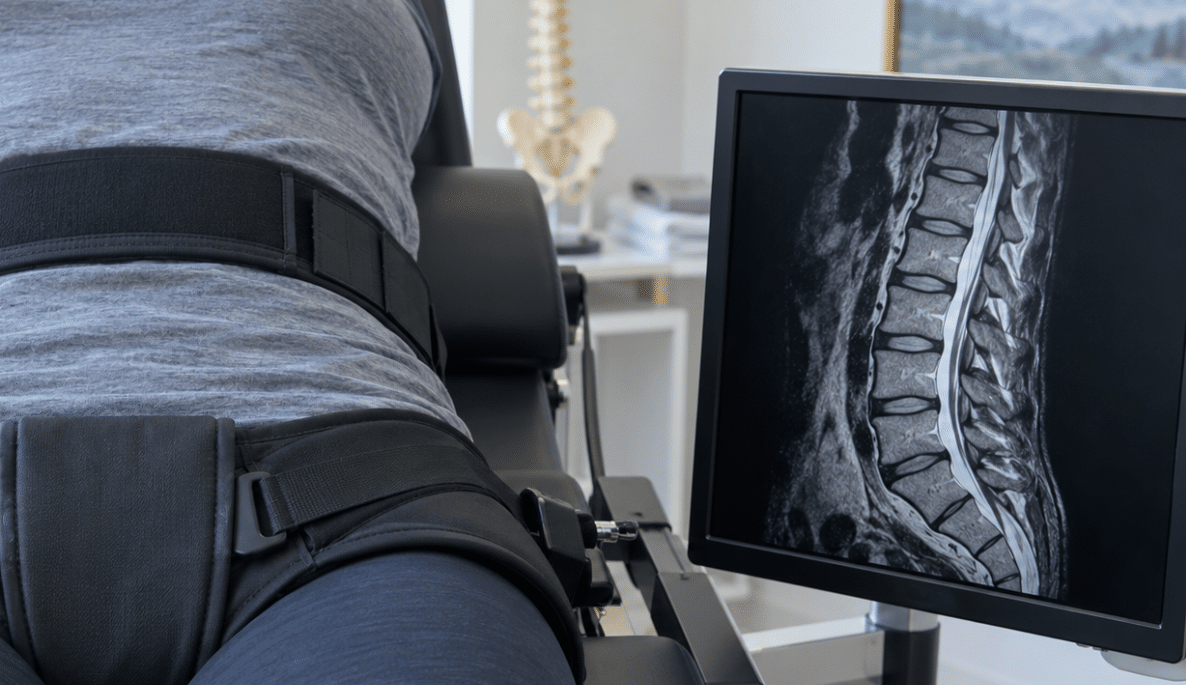
What Is Spinal Decompression Therapy and How Does It Work?
Spinal decompression therapy is a non-surgical treatment that gently stretches the spine to relieve pressure on compressed discs and nerves. Two main types exist: motorized (mechanical) traction tables and manual traction performed by a chiropractor. Insurers treat these two types very differently when processing claims, and that distinction matters more than most patients expect.
Motorized decompression uses a computer-controlled table to create negative pressure inside the disc. That negative pressure can help retract herniated disc material and restore nutrient flow to damaged tissue. Manual traction relies on the chiropractor’s hands or simple mechanical tools to apply a controlled pulling force.
Common conditions treated with both types include herniated discs, bulging discs, sciatica, degenerative disc disease, and facet syndrome. Knowing which type your Centennial provider uses matters before you contact your insurer.
What Is the Difference Between Manual Traction and Motorized Decompression?
Insurers often cover manual traction more readily than motorized decompression. The two approaches differ in equipment, billing, and how carriers tend to treat the claim:
FeatureManual TractionMotorized DecompressionDefinitionChiropractor applies force by hand or simple deviceComputer-controlled table regulates pull and release cyclesEquipmentHands, straps, or basic traction benchMotorized decompression table (e.g., DRX, Triton)Typical CPT Code97012 (mechanical traction)97012 or proprietary codes (often denied)Common Insurer StanceMore likely to be recognized as a covered benefitFrequently classified as experimental or non-covered
Knowing which type your Centennial chiropractor uses before your first visit lets you ask the right questions when you call your insurer.
Does Health Insurance Cover Spinal Decompression in Centennial CO?
Most private health insurance plans in Centennial CO cover spinal decompression only under very specific conditions. Blanket coverage is rare, and the details matter.
Coverage hinges on three factors: your plan type, your diagnosis code, and how your Centennial chiropractor bills the service. A plan that covers chiropractic care in general doesn’t automatically extend that coverage to every chiropractic procedure. We see patients caught off guard by this regularly.
Plans that use CPT code 97012 (mechanical traction) have a better chance of reimbursement than claims filed under unrecognized or proprietary decompression codes. Some equipment manufacturers assign their own brand-specific billing codes. Those codes are frequently denied because insurers don’t recognize them as standard medical procedure codes.
Many insurers also require that conservative care has already been tried without success before they’ll approve decompression. Conservative care typically includes rest, physical therapy, or standard chiropractic adjustments. If your records show you went straight to motorized decompression without trying those first-line options, the claim is more likely to be denied.
What CPT Codes Are Used for Spinal Decompression Billing?
CPT 97012 is the most insurer-recognized traction code used for spinal decompression billing. Some providers also use CPT 98940, 98941, or 98942 for chiropractic manipulative treatment when it accompanies decompression. Proprietary brand-specific codes are frequently denied by Colorado PPO and HMO plans. Ask your Centennial chiropractor exactly which code will appear on your claim before treatment begins. That’s a completely reasonable question, and any good provider will answer it without hesitation.
What Does ‘Medically Necessary’ Mean for This Treatment?
Insurers define medical necessity as a documented condition that has not responded to first-line treatments, supported by imaging or clinical notes. Your chiropractor needs to show a clear link between your diagnosis, your symptoms, and the reason decompression is the appropriate next step. An MRI report showing a herniated disc at a specific spinal level, combined with clinical notes recording failed conservative care, gives your insurer the documentation needed to consider the claim.
Colorado-based PPO and HMO plans from major carriers each set their own medical necessity rules. Your Explanation of Benefits (EOB) document will list any plan-specific exclusions that apply to your policy.
Does Medicare Cover Spinal Decompression Therapy?
Medicare does NOT cover motorized spinal decompression therapy. The Centers for Medicare & Medicaid Services (CMS) Medicare Coverage Database lists computerized decompression as a non-covered service under most Medicare Part B guidelines.
Medicare Part B does cover manual chiropractic manipulation for acute subluxation, which is a specific misalignment of the spine. Computerized decompression tables fall entirely outside that benefit category. Patients in Centennial who are on Medicare and want motorized decompression therapy will typically pay the full cost out of pocket. That’s not what anyone wants to hear, but it’s where the rules sit right now.
Medicare Advantage plans (Part C) are offered through private insurance carriers and may have slightly different rules than original Medicare. Some Medicare Advantage plans add supplemental chiropractic benefits that original Medicare doesn’t include. Always verify directly with your specific Medicare Advantage plan before assuming any additional coverage applies.
If you’re a Medicare patient considering decompression therapy, ask your provider about an Advance Beneficiary Notice (ABN) before starting any non-covered service. An ABN is a formal notice that explains your financial responsibility before treatment begins so there are no surprises at billing. Requesting an ABN upfront is the right step for any Centennial Medicare patient considering decompression.
For the official rules on what Medicare pays for chiropractic services, review Medicare’s official coverage guidelines for chiropractic services directly on the CMS website.
Will Your Car Insurance Cover Spinal Decompression After an Accident in Centennial?
If you were injured in a car accident in Centennial, auto insurance personal injury protection (PIP) or a liability claim may cover spinal decompression as part of your treatment. Colorado law requires drivers to carry minimum PIP coverage, and that coverage can apply to chiropractic and related therapies when they’re part of a documented injury treatment plan.
A clear diagnosis linking your disc injury to the accident gives your claim the strongest foundation. Clinical notes from your first visit, diagnostic imaging ordered shortly after the accident, and a written treatment plan all support the argument that decompression is a reasonable and necessary part of your recovery. We’ve seen claims succeed and fail on the quality of that early documentation alone.
Working with a Centennial chiropractor who documents injuries thoroughly and coordinates with personal injury attorneys can improve reimbursement outcomes on PIP and liability claims. At-fault driver liability claims through the other party’s insurer may also cover decompression when it’s deemed reasonable and necessary for recovery.
What Documentation Does Your Chiropractor Need for a PIP Claim?
Insurers reviewing a PIP claim want a complete picture of your injury and treatment. The documentation your Centennial chiropractor should provide includes:
- Intake notes from your first visit that describe how and when the injury occurred
- A clear diagnosis code linking your disc condition to the accident
- A written treatment plan that lists the planned number of decompression sessions and goals
- Progress notes from each visit showing whether you are improving
- Imaging reports (X-ray, MRI) that confirm the disc injury
Gaps in any of these records give the insurer a reason to question whether treatment was necessary. Don’t let that happen over a missing progress note.
What Steps Can You Take to Get Spinal Decompression Covered By Insurance?
There are specific steps you can take before and during treatment to give your insurance claim the best chance of approval. Acting before your first session is always better than trying to fix a denial after the fact.
- Call the member services number on your insurance card. Ask directly whether CPT 97012 (mechanical traction) is a covered benefit under your specific plan. Write down the representative’s name, the date of the call, and the answer you received.
- Ask your Centennial chiropractor to request prior authorization. Many insurers require prior authorization before they’ll pay for motorized decompression. Starting treatment without it is one of the most common reasons claims are denied.
- Get a referral from your primary care physician if your plan requires one. Some HMO plans deny chiropractic claims submitted without a gatekeeper referral. Check your plan documents or call member services to confirm whether a referral is needed.
- Confirm that your provider is documenting a qualifying diagnosis. The diagnosis code on your claim must match a condition recognized by your insurer as appropriate for decompression. For example, M51.16 is the ICD-10 code for lumbar disc herniation with radiculopathy. That code, paired with supporting clinical notes, forms the backbone of a successful claim.
- Keep records of all denied claims and appeal within the deadline on your EOB. Colorado state law gives you the right to appeal insurance denials. The EOB will list the appeal deadline, which you must meet to preserve that right.
What Happens If Insurance Denies Your Spinal Decompression Claim?
If your insurer denies your spinal decompression claim, you have the right to appeal. Many denials are overturned when the right supporting documentation is submitted with the appeal. A denial is worth fighting, not just accepting.
Start by requesting a written denial letter that states the exact reason for rejection. Common denial reasons include: not medically necessary, non-covered service, and missing prior authorization. Knowing the exact reason tells you what to address in your appeal.
Your chiropractor can write a Letter of Medical Necessity explaining why spinal decompression is the appropriate treatment for your specific condition. A strong letter ties your diagnosis, your clinical history, and the failed conservative care directly to the decision to use decompression. Insurers are required to review that letter as part of the internal appeal process.
Colorado residents can also file a complaint with the Colorado Division of Insurance if they believe a denial was improper. That complaint process is free and doesn’t require an attorney.
How Long Does a Spinal Decompression Appeal Take?
Most insurers must respond to internal appeals within 30 to 60 days under federal and Colorado state guidelines. Urgent or expedited appeals for ongoing treatment can receive a response faster, sometimes within 72 hours. If the internal appeal is denied, you may request an external review by an independent organization. Colorado law allows external review requests after an internal denial, and the external reviewer’s decision is binding on the insurer.
If all appeals fail, ask your Centennial provider about the options available, including whether the full program can be structured in a way that works for your situation.
How Much Does Spinal Decompression Cost Out of Pocket in Centennial CO?
When insurance doesn’t cover spinal decompression, Centennial patients typically pay for a full treatment program as a cash-pay arrangement. Providers may structure these programs around a set number of sessions delivered over several weeks, though pricing approaches vary by practice.
The total cost varies by provider and by how many sessions are recommended for your specific condition. More complex cases involving multiple disc levels or chronic degeneration may require more sessions than a single acute herniation, so the range between patients can be significant. Get the number before you commit.
Ask your provider about their fee structure and whether any pricing options are available before committing to a program. Understanding the full cost upfront helps you plan and avoids unexpected bills.
Comparing the cost of non-surgical decompression against surgical alternatives can help put the out-of-pocket expense in perspective. Surgical options like discectomy or spinal fusion carry their own costs, recovery timelines, and risks. For many patients, a completed decompression program is a meaningful alternative worth exploring before surgery is considered.
Always ask for an itemized fee schedule before committing to a program. An itemized schedule shows you exactly what each session includes and whether any additional services are billed separately.
The Bottom Line
Insurance coverage for spinal decompression in Centennial CO is possible, but it’s not guaranteed. Your plan type, your diagnosis code, and the CPT code your provider uses all shape the outcome. Calling your insurer first, securing prior authorization, and making sure your clinical documentation is thorough all put your claim in the best position going in. If coverage is denied, Colorado law gives you appeal rights and a free complaint process through the state Division of Insurance. To see the full range of non-surgical options we offer at our Centennial clinic, visit our page on chiropractic services in Centennial CO.