
Is Whiplash Treatment In Centennial CO Safe For Teenagers Injured In A School-zone Accident?
Home / Blog / Is Whiplash Treatment in Centennial CO Safe for Teenagers Injured in a School-Zone Accident?
Is Whiplash Treatment In Centennial CO Safe For Teenagers Injured In A School-Zone Accident?
By Butler Family Health Center · Published 2026-09-19 · Last updated 2026-09-19
Yes, whiplash treatment in Centennial CO is safe for teenagers injured in a school-zone accident when a licensed chiropractor uses age-adjusted techniques and completes proper safety screening first. Teen spines are still growing, so we use lower-force adjustments, soft-tissue therapy, and guided stretching rather than adult-level manipulation. School-zone crashes, even at low speeds, can generate enough force to strain neck muscles and ligaments in a young patient. Before any hands-on care begins, a thorough intake exam rules out fractures with imaging and checks for neurological red flags. Chiropractic care for teens avoids surgery and strong pain medications, making it a conservative and well-supported first step toward recovery. Acting quickly gives teenagers the best chance at full healing.
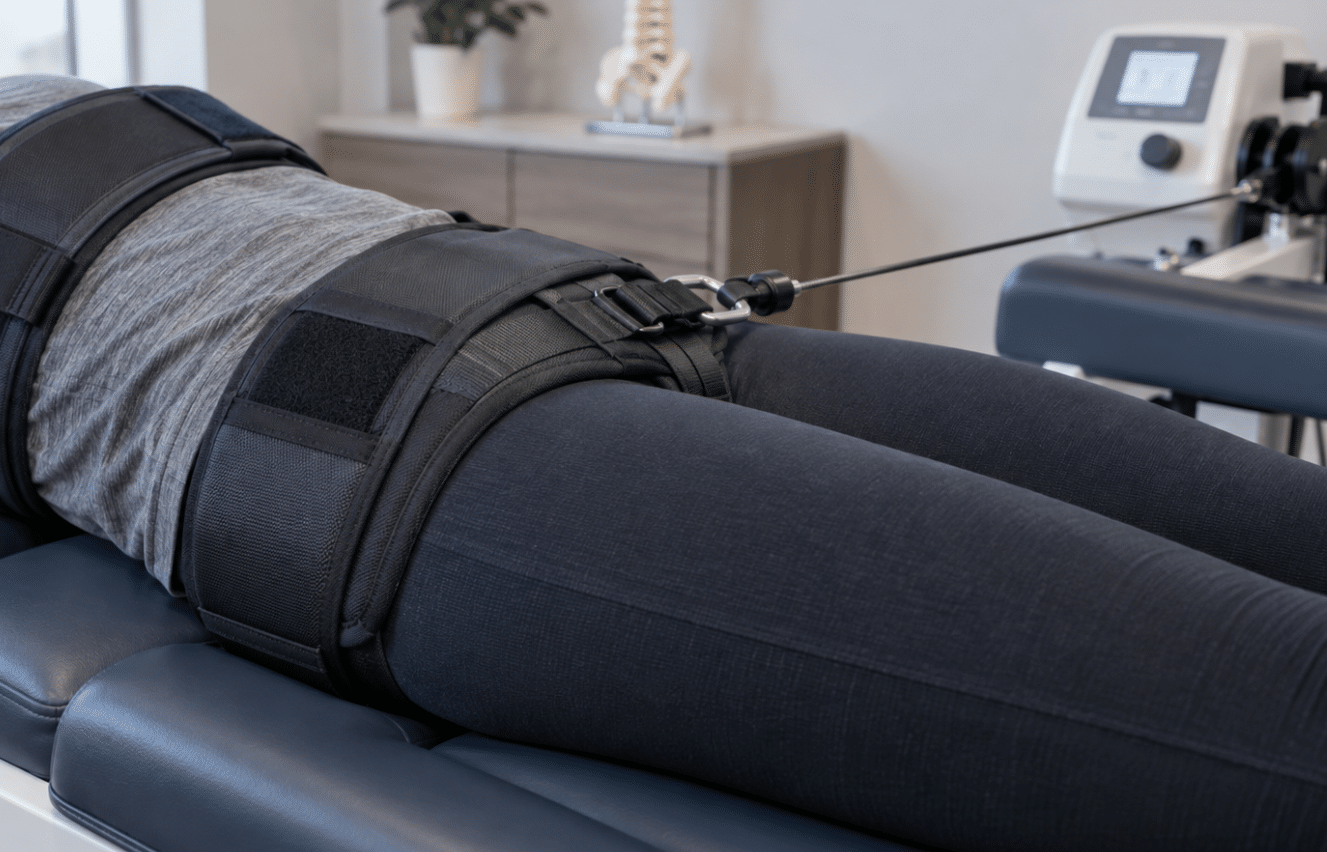
Why Do School-Zone Accidents Cause Whiplash in Teenagers?
School-zone crashes cause whiplash because sudden stops or rear-end impacts snap a teenager’s head forward and back faster than neck muscles can react. The neck absorbs a rapid energy transfer that strains the soft tissues supporting the cervical spine.
Which Centennial School Zones See the Most Accident Risk?
High-traffic corridors near schools throughout Centennial, including areas around major roads that serve local campuses, typically experience heavy stop-and-go congestion during morning drop-off and afternoon pick-up. Feeder streets that channel traffic toward school lots and nearby arterials are common locations where low-speed fender-benders occur. Distracted driving near school zones is a recognized contributing factor — the National Highway Traffic Safety Administration highlights school-zone safety risks and driver behavior as key factors in crashes — and even relatively low-speed impacts can produce enough force to injure neck ligaments and muscles in a teen passenger or pedestrian.
Here’s something parents consistently find surprising: teen necks actually have more cartilage and less dense bone than adult necks. That difference changes how whiplash force travels through a young spine, sometimes producing more soft-tissue damage than the low speed of the crash would suggest. Symptoms can also appear hours or even days after the collision, which is exactly why parents often underestimate the injury at first. Honestly, it’s an easy thing to miss.
After a school-zone crash, watch your teen for neck stiffness or pain that gets worse when turning the head, headache starting at the base of the skull, shoulder or upper back soreness, numbness or tingling down one or both arms, and fatigue, difficulty concentrating, or mood changes in the days that follow. Any of those warrants a call to us.
How Do Teen Spines Differ From Adult Spines After a Whiplash Injury?
Teen spines are still growing, which means whiplash injuries can affect growth plates and soft discs in ways that don’t happen in fully developed adult spines. That difference shapes every decision we make when treating a young patient.
Adolescent vertebrae have open growth plates at the ends of each vertebra, the zones where bone is still actively forming, and whiplash force can stress those areas in ways that won’t always produce immediate pain but can affect how that bone finishes developing. Teen ligaments are also more elastic than adult ligaments, so a teen spine can move past its safe range during impact without breaking a bone. That flexibility can actually mask the true level of damage on a simple physical exam, which is one reason we don’t skip the imaging step.
Because teenagers heal faster than adults, early treatment is especially important. Getting care quickly helps guide soft-tissue healing in the correct alignment rather than letting scar tissue form in a shortened or misaligned position. Left untreated, whiplash in a growing spine can lead to long-term posture problems, chronic headaches, and reduced neck range of motion as your teen moves into adulthood. We’d rather not see that happen when early care can prevent it.
What Imaging Might a Teen Need After a School-Zone Whiplash?
A cervical X-ray is the standard first step to rule out fractures or misalignment before any adjustment. When we find neurological symptoms such as arm weakness, numbness, or severe headaches that don’t ease, a referral for MRI is appropriate to check the discs and spinal cord. We review all imaging before selecting adjustment depth and technique for the teen patient.
What Does Whiplash Treatment for Teenagers Actually Involve?
Whiplash treatment for teenagers typically includes gentle chiropractic adjustments, soft-tissue therapy, stretching exercises, and posture guidance tailored to a still-developing spine. No two teen treatment plans look exactly alike because the crash details, the teen’s age, and the specific tissues injured all vary.
We start with a full intake exam covering where your teen feels pain, how the crash happened, and whether any neurological symptoms like numbness or tingling are present. Adjustment techniques used on teen patients are lower-force than those used on adults. We often use instrument-assisted adjusting, where a small handheld device delivers precise, gentle impulses, or gentle manual mobilization in place of the higher-velocity thrusts used in adult care. That part’s not as scary as it sounds — most teens are genuinely surprised by how gentle it is. We also work directly on muscles that have gone into protective spasm after the impact, using sustained hand pressure to release tight connective tissue and help those muscles relax.
Depending on what we find, your teen’s care plan will likely include some combination of low-force cervical adjustments, hands-on muscle work for neck and upper-back spasm, ice-and-heat protocols to manage inflammation and promote circulation, guided neck stretches and range-of-motion exercises to do at home, and coaching on backpack weight, screen height, and sleep position. We adjust the plan as your teen responds, not just run through a fixed schedule.
How Many Chiropractic Visits Does a Teen Usually Need for Whiplash?
The number of visits needed varies based on injury severity, the specific tissues involved, and how the individual patient responds to care. Visits are typically more frequent in the early weeks of treatment, then spaced further apart as healing progresses. We reassess your teen at each visit and adjust the plan based on actual progress.
Is Chiropractic Care Safe for a Teenager After a School-Zone Crash?
Yes, chiropractic care is considered safe for teenagers after a school-zone crash when the provider performs a proper intake exam and uses age-appropriate techniques. The safety record for pediatric and adolescent chiropractic care is well-documented in the clinical literature when care is delivered by a trained provider. Professional chiropractic guidelines broadly support adapting chiropractic treatment techniques to the patient’s stage of physical development for pediatric and adolescent patients.
What Safety Checks Should a Chiropractor Do Before Treating a Teen?
Before we touch a teen whiplash patient, we work through four things. First, we screen for fractures with a cervical X-ray so we know there’s no bony injury before any manual contact. Second, we check reflexes, muscle strength, and sensation in the arms and hands to catch any sign of nerve involvement. Third, we go through your teen’s full health history, including any prior neck injuries or conditions that could affect treatment. Fourth, we get signed consent from a parent or legal guardian before treating a minor. No exceptions on that one.
We’re also trained to recognize signs that need an immediate referral to an emergency physician or orthopedic specialist rather than chiropractic care. Side effects from gentle teen adjustments are generally mild and short-lived, typically some soreness in the treated area, similar to what you might feel after a workout. And because we’re not prescribing opioid pain medications, your teen avoids the risks those carry for adolescent patients. That matters to us, and we think it should matter to you too.
When Should a Teenager See a Chiropractor After a School-Zone Accident?
A teenager should see a chiropractor as soon as possible after a school-zone accident, once emergency medical care has been completed. Getting in early gives us the clearest picture of the injury before compensatory muscle guarding sets in. Wait too long and injured muscles scar and tighten, which makes recovery harder and longer. We’d rather see your teen in the first few days than two months down the road when things have stiffened up.
What Are the Red-Flag Symptoms That Mean a Teen Needs an ER, Not a Chiropractor?
Some symptoms require emergency evaluation before chiropractic care can begin. Take your teen directly to an emergency room if you see any of these:
- Loss of consciousness at the scene or afterward
- Weakness or paralysis in the arms or legs
- Severe neck pain that spikes with any movement
- Bladder or bowel control changes
- Severe dizziness or repeated vomiting after the crash
Once an emergency room clears your teen for no fracture or spinal instability, chiropractic evaluation can begin to address soft-tissue damage.
In the first 72 hours after the accident, here’s what we’d recommend: call 911 and get a police report filed at the scene, accept emergency medical services evaluation at the scene or go to an ER if any red-flag symptom appears, photograph vehicle damage and gather contact information from witnesses, notify the auto insurance carrier and open a claim, then contact our office for an evaluation appointment as soon as you can. Early documentation of injuries also supports any personal injury insurance claim your family may need to file.
What Should Parents Bring to Their Teen’s First Whiplash Appointment in Centennial?
Parents should bring the police report, any ER or urgent care records, the auto insurance claim number, and the teen’s health insurance card to the first whiplash appointment. Having those documents ready on day one prevents delays in starting care.
It also helps to write down how the school-zone crash happened before you come in. A rear-end strike produces a different injury pattern than a side-impact or a pedestrian collision, and that distinction changes our initial approach. Bring a list of all medications and supplements your teen is currently taking, too. Some anti-inflammatory medications affect how soft tissue responds to treatment, and we need that information before we put a plan together.
Note any symptoms your teen has mentioned since the accident, including sleep trouble, headaches, mood changes, or difficulty concentrating at school. Those symptoms can signal a concussion alongside whiplash, and we need to know before beginning neck treatment. At least one legal guardian must be present at the first visit or provide signed documentation authorizing chiropractic treatment for a minor.
Does Auto Insurance or Health Insurance Cover Teen Whiplash Treatment in Centennial?
Colorado auto policies may include Medical Payments coverage (MedPay) or Personal Injury Protection (PIP) provisions that can apply to chiropractic care. Health insurance may also cover chiropractic visits, though deductibles and co-pays vary by plan. Call your insurance carrier directly to confirm your coverage, since we can’t guarantee an outcome in advance. Photos of vehicle damage, if you have them, help us estimate the force involved in the crash and support the documentation we provide.
How Do Centennial School-Zone Traffic Laws Affect Injury Claims for Teens?
Centennial school-zone traffic laws set reduced speed limits and strict right-of-way rules, and a driver who breaks those laws is typically found at fault, which strengthens an injured teen’s injury claim. Colorado school zones require drivers to observe posted reduced speed limits during designated hours. A driver cited for exceeding that speed or for another school-zone violation creates a documented record of negligence, and a police report capturing that citation is clear evidence supporting your teen’s personal injury documentation. Chiropractic records showing the timing, type, and extent of the whiplash injuries then connect that negligence to measurable physical harm.
Colorado uses a fault-based system for determining liability in auto accidents. Keep all chiropractic appointment records, imaging results, and out-of-pocket expense receipts in one organized file throughout the recovery period. That file becomes the foundation of any insurance negotiation. If you have questions about fault determinations or settlement amounts, talk to a licensed Colorado personal injury attorney. This section does not provide legal advice.
What Every Centennial Parent Should Remember
Whiplash treatment in Centennial CO is safe for teenagers when a licensed chiropractor uses age-adjusted techniques and completes proper safety screening before any hands-on care begins. Getting your teen evaluated promptly after a school-zone crash gives the best chance at full recovery and creates an accurate injury record that can support an insurance claim. Coming in prepared with accident documents and ER records helps us build the most effective treatment plan from the very first visit.
If your teenager was injured in a school-zone accident in the Centennial area, our team at Butler Family Health Center is ready to help. Learn more about auto accident chiropractic care in Centennial CO and how we approach care for patients of every age.